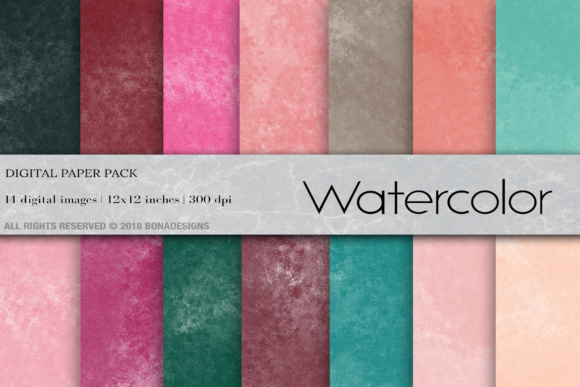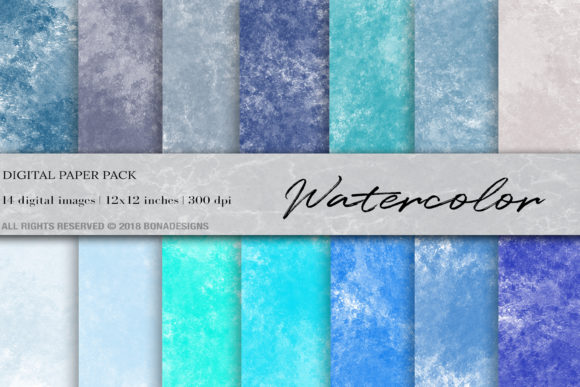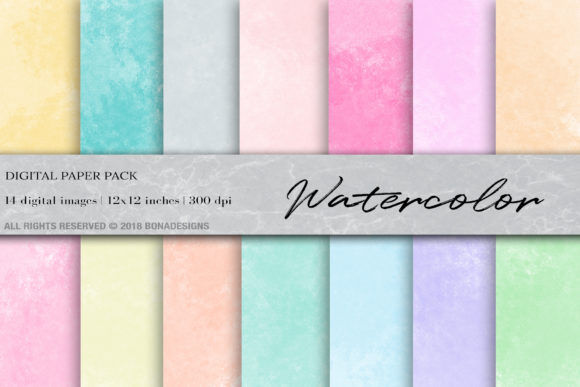
Watercolor Background
Watercolor backgrounds add a soft, artistic touch that can elevate any design project. Their unique blend of color and texture offers a refreshing alternative to solid or geometric patterns, making them ideal for creative professionals seeking to infuse warmth and personality into their work. Whether you're designing for print or digital media, watercolor elements bring a sense of elegance and originality that resonates with modern audiences.
In the realm of graphic design, watercolor backgrounds are more than just aesthetic choices—they are strategic tools. They can set the tone for a brand, guide visual hierarchy, and create emotional connections with viewers. With their organic flow and subtle imperfections, these backgrounds often convey a sense of authenticity and craftsmanship that aligns with current design trends emphasizing handmade and natural aesthetics.
Applications in Modern Design
The versatility of watercolor backgrounds makes them suitable for a wide range of applications. From branding and logo design to social media content and web graphics, they offer a flexible solution that adapts to different formats and styles. For instance, a watercolor background can serve as a striking backdrop for a business card, adding a touch of sophistication without overwhelming the text.
Consider using watercolor textures in editorial layouts to create visual interest and break up dense blocks of text. In packaging design, they can evoke a sense of artistry and uniqueness, helping products stand out on crowded shelves. For digital marketing campaigns, these backgrounds can enhance the visual appeal of banners, email templates, and social media posts, ensuring your message captures attention while maintaining a cohesive look.
Choosing the Right Watercolor Elements
Selecting the right watercolor background involves more than just picking a pretty image. It requires an understanding of how color, composition, and texture interact with the overall design. A well-chosen watercolor element should complement the brand's identity, support the message being conveyed, and maintain readability across different mediums.
When evaluating watercolor assets, consider factors such as resolution, file format, and compatibility with existing design systems. High-resolution files ensure clarity when printed or scaled, while proper file formats like JPG make them easy to integrate into various projects. Additionally, check for consistency in color palettes and style to maintain a professional appearance across all materials.
- Opt for high-resolution watercolor backgrounds for print and digital use
- Ensure the color palette aligns with your brand's visual identity
- Use watercolor elements to add depth and dimension to flat designs
Typography plays a crucial role in pairing with watercolor backgrounds. Bold, clean fonts can contrast beautifully with soft, flowing textures, creating a balanced and visually appealing composition. Similarly, careful placement of text over watercolor elements ensures legibility without compromising the artistic feel.
Whether you're working on a wedding invitation, a website banner, or a promotional flyer, watercolor backgrounds provide a powerful way to enhance your design. By thoughtfully integrating these elements, you can create work that not only looks good but also communicates effectively and connects with your audience on a deeper level.