Wedding Invitation RSVP Cards
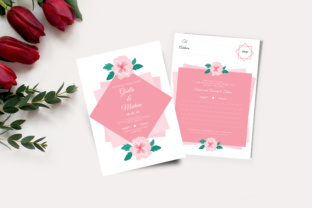
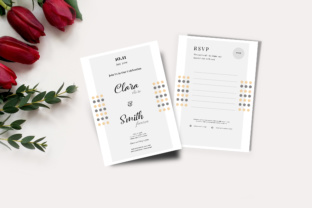
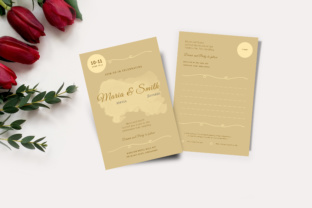
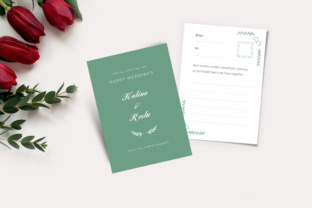
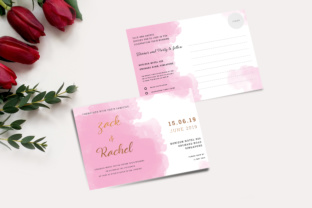
Wedding Invitation RSVP Cards are more than just a way to confirm attendance—they’re a reflection of the couple’s style, personality, and attention to detail. These cards often serve as the first tangible impression of the wedding day, setting the tone for what guests can expect. With their elegant design and practical function, they blend form and purpose seamlessly. Whether you're planning a rustic barn wedding or a sleek urban ceremony, the right RSVP card can elevate your event's overall aesthetic.
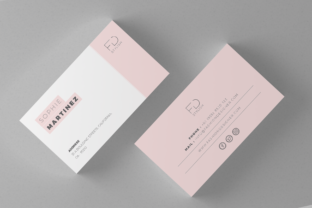
Modern Concept Business Cards take this idea a step further by offering a versatile solution that works across multiple industries. Designed with unique layouts, these cards ensure your business stands out in a crowded market. Available in front and rear landscape formats, they provide flexibility for different branding needs. From fashion to photography, lifestyle to corporate environments, these cards adapt to your creative vision while maintaining a professional appearance.
Visual Characteristics and Style
The visual appeal of Wedding Invitation RSVP Cards lies in their clean lines, balanced composition, and thoughtful use of space. These designs often feature a mix of typography styles, from serif fonts for a classic feel to modern sans serifs for a contemporary edge. The layout is carefully structured to guide the reader through essential information—name, date, time, location, and RSVP details—without overwhelming them.
When it comes to the Modern Concept Business Card, the same principles apply. The design emphasizes clarity and impact, making it easy for recipients to absorb key information at a glance. The use of high-quality images, subtle textures, and well-organized layers ensures that each card looks polished and professional. This attention to detail makes it ideal for personal branding, corporate identity, or any marketing initiative where first impressions matter.
Where the Font Works Best
The font used in these designs plays a crucial role in shaping the overall look and feel. A premium font with a strong personality can transform a simple card into something truly memorable. Whether you're working on editorial design, packaging, web graphics, or social media visuals, the right typeface can enhance the message and connect with your audience.
For creative projects, such as logo design or brand identity, a custom or display font adds character and uniqueness. In publishing or digital content creation, a readable sans serif or serif font ensures that text remains legible across different platforms. For commercial use, a font with proper licensing allows for safe and legal application in various contexts, from print to online marketing materials.
How the Font Influences Design
The choice of font directly affects readability, visual hierarchy, and brand perception. A well-chosen typeface can guide the viewer’s eye through the content, making it easier to process information quickly. It also contributes to the overall mood of the design—whether it’s formal, playful, minimalist, or bold.
In terms of brand consistency, using a cohesive set of fonts across all materials helps reinforce recognition. A professional-looking font can boost credibility, making your work appear more trustworthy and polished. When paired with other design elements like color, imagery, and layout, the right font enhances audience engagement and creates a lasting impression.
Choosing the Right Font for Your Project
Selecting the appropriate font requires careful consideration of your project’s goals and audience. Start by identifying the tone you want to convey—luxurious, casual, modern, or traditional. Then, evaluate how different fonts align with that vision. For example, a script font might be perfect for a wedding invitation but less suitable for a corporate business card.
Testing font pairings is an essential step in the design process. Combining a bold display font with a clean sans serif can create a striking contrast that draws attention without sacrificing readability. Reviewing the available styles, including weights and variations, ensures that you have enough options to suit different design needs.
Readability should always be a priority, especially when working on print or digital media. A font that looks great in a mockup may not translate well in real-world conditions. Always test your chosen typeface at different sizes and on various backgrounds to ensure it remains clear and legible.
Practical Recommendations
For designers and entrepreneurs looking to elevate their brand, the Wedding Invitation RSVP Cards and Modern Concept Business Card templates offer a powerful starting point. Their editable nature makes it easy to customize text, colors, and layout without needing advanced design skills. This flexibility is especially valuable for small businesses or independent creators who want to maintain a consistent visual identity across multiple platforms.
When using these templates, consider the intended audience and the medium in which the card will be presented. A landscape format may be more suitable for digital sharing, while a standard size could be better for physical distribution. Always check the file specifications, including resolution and color mode, to ensure the final output meets professional standards.
Finally, remember that a great design is only as effective as its implementation. Whether you’re creating a wedding invitation or a business card, the goal is to communicate clearly and make a positive impression. With the right tools and a thoughtful approach, you can turn a simple card into a meaningful piece of your brand story.